
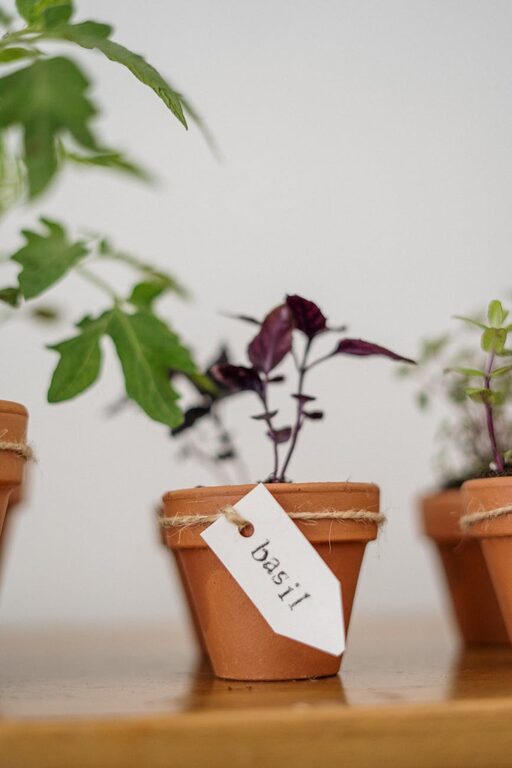
Growing an indoor herb garden is a rewarding way to bring fresh flavors into your kitchen while adding a touch of greenery to your home. Whether you have limited outdoor space or want easy access to fresh herbs year-round, starting a small herb garden indoors is a manageable and enjoyable project. In this guide, we’ll walk you through the essential steps to set up your herb garden successfully.
Why Grow Herbs Indoors?
Indoor herb gardening offers several benefits:
– Freshness: Harvest herbs whenever you need them.
– Convenience: No need to step outside to pick fresh ingredients.
– Decor: Adds natural beauty and a pleasant aroma to your space.
– Learning: Great for beginners or as an educational activity with kids.
With just a little effort, you can have a thriving garden that enhances your cooking and brightens your home.
Choosing the Right Herbs for Indoor Gardening
Not all herbs thrive equally indoors, so selecting the right varieties makes all the difference. Here are some popular, easy-to-grow herbs that do well inside:
– Basil: Needs plenty of light and warmth.
– Parsley: Grows well in moderate light.
– Mint: Vigorous grower; can handle lower light.
– Chives: Require moderate light, ideal for kitchens.
– Thyme: Prefers bright light and well-drained soil.
– Cilantro (Coriander): Likes cooler conditions and moderate light.
– Oregano: Thrives in bright light with well-drained soil.
Choose a few herbs you use most often to make your garden practical and enjoyable.
What You’ll Need to Get Started
Before planting, gather these basic supplies:
– Containers: Small pots, herb garden kits, or repurposed containers with drainage holes.
– Potting soil: Use lightweight, well-draining potting mix designed for indoor plants.
– Seeds or seedlings: Choose herb seeds or young plants from garden centers.
– Light source: A sunny windowsill with 6–8 hours of direct sunlight or use grow lights.
– Watering can: Helpful for gentle and consistent watering.
– Labels: Optional, to keep track of your herb varieties.
Setting Up Your Herb Garden Step-by-Step
1. Select Your Location
Most herbs need 6–8 hours of sunlight daily. A south- or west-facing windowsill is ideal. If natural sunlight is limited, consider investing in LED grow lights designed for plants.
2. Prepare Your Containers
Choose pots with drainage holes to prevent water accumulation, which can cause root rot. Fill each pot with potting soil, leaving about an inch of space at the top.
3. Plant Seeds or Transplants
– For seeds: Follow the packet instructions for planting depth. Typically, cover them lightly with soil.
– For seedlings: Dig a small hole in the soil and plant gently, covering the roots well.
Water the soil lightly after planting.
4. Water Wisely
Keep the soil consistently moist but not soggy. Herbs don’t like sitting in water. Check the soil by touching; if the top inch feels dry, it’s time to water.
5. Provide Adequate Light
Place your pots in the sunlight or under grow lights for the recommended hours. Rotate pots occasionally so all sides receive light evenly.
6. Fertilize Occasionally
Use a balanced, water-soluble fertilizer once a month to encourage healthy growth. Be careful not to over-fertilize, as herbs prefer slightly lean soil.
7. Prune and Harvest Regularly
Regularly pinch or cut back herbs to encourage bushier growth and prevent flowering, which can make the herbs bitter. Harvest leaves as needed, ideally in the morning when the flavor is strongest.
Troubleshooting Common Indoor Herb Garden Challenges
– Yellowing leaves: Usually a sign of overwatering or poor drainage.
– Leggy plants: Not enough light; move to a brighter spot.
– Pests: Watch for aphids or spider mites; wash leaves with water and use natural pest control methods.
– Slow growth: Check light, water, and fertilization; consider repotting if roots are crowded.
Tips for Success and Enjoyment
– Start small: Growing a few herbs first helps you learn their needs.
– Keep a gardening journal: Note watering, feeding, and harvesting times.
– Experiment with different varieties after gaining experience.
– Use herbs fresh to get the best taste; dry extras for later use.
– Combine your indoor herb garden with cooking to enhance meals and stay motivated.
Final Thoughts
Starting a small indoor herb garden is both practical and enjoyable. With the right setup and care, you’ll have fresh herbs at your fingertips, adding flavor and fragrance to your living space. Whether you’re a seasoned gardener or a novice, this project is a wonderful way to connect with nature and your kitchen. Happy gardening!